


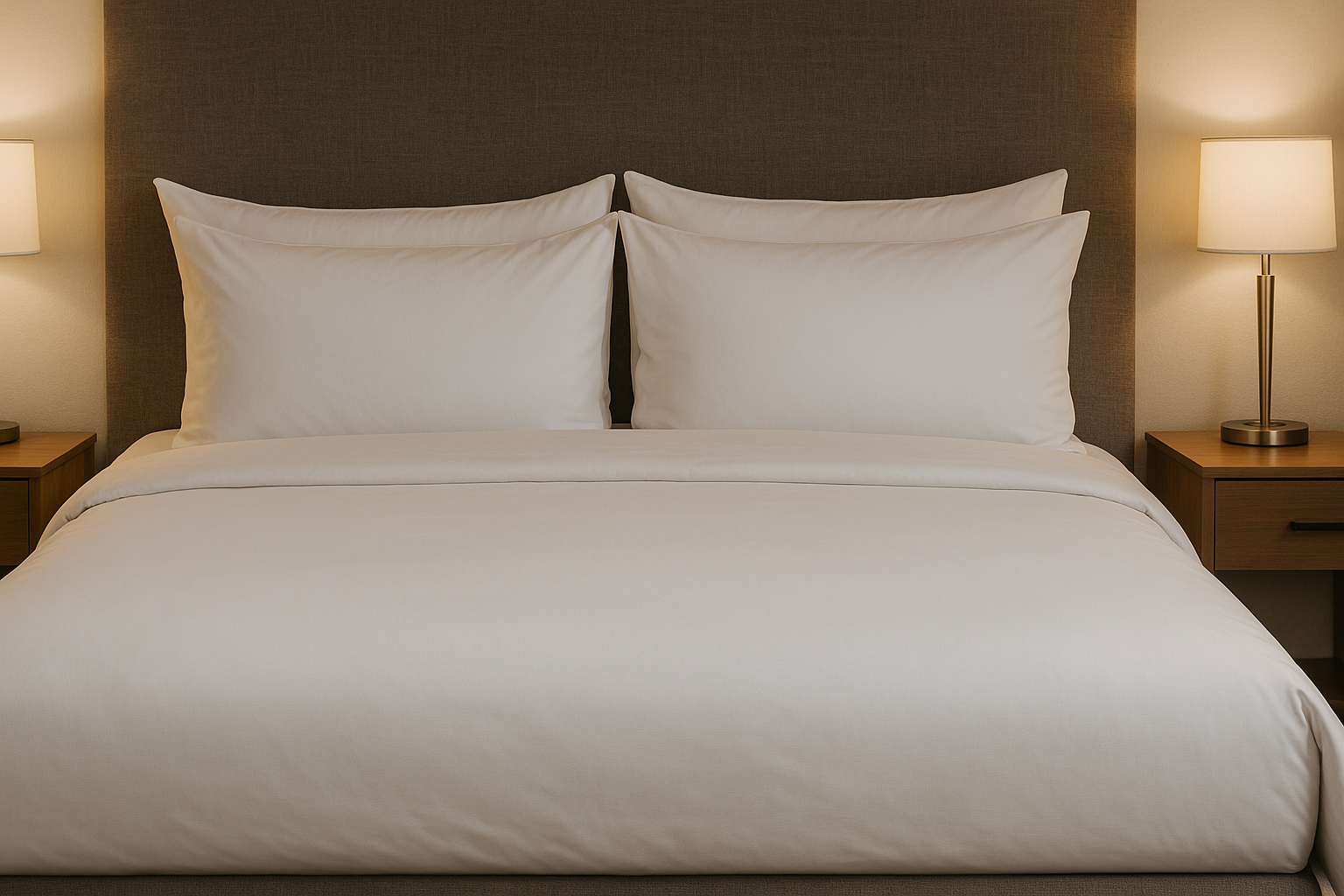
Commercial establishments face unique challenges when selecting textiles that can endure rigorous daily use by the guests at their establishment. Hotel-quality bedding represents the gold standard for durability in professional environments. The difference between standard consumer bedding and commercial-grade alternatives becomes apparent within weeks of intensive use.
Hotel-quality bedding represents a specialized category of textiles designed to meet the demanding requirements of hospitality environments. These products undergo extensive testing to ensure they maintain their structural integrity after hundreds of wash cycles. The engineering behind such durability involves precise fiber selection and advanced weaving techniques.
Procurement managers often discover that initial cost savings from cheaper alternatives quickly disappear when replacement becomes necessary. Hotel-quality bedding maintains its appearance and performance characteristics significantly longer than standard options. This longevity translates directly into reduced operational expenses and improved guest satisfaction ratings across the hospitality sector.
Material Engineering and Construction Standards
Fiber Composition Analysis
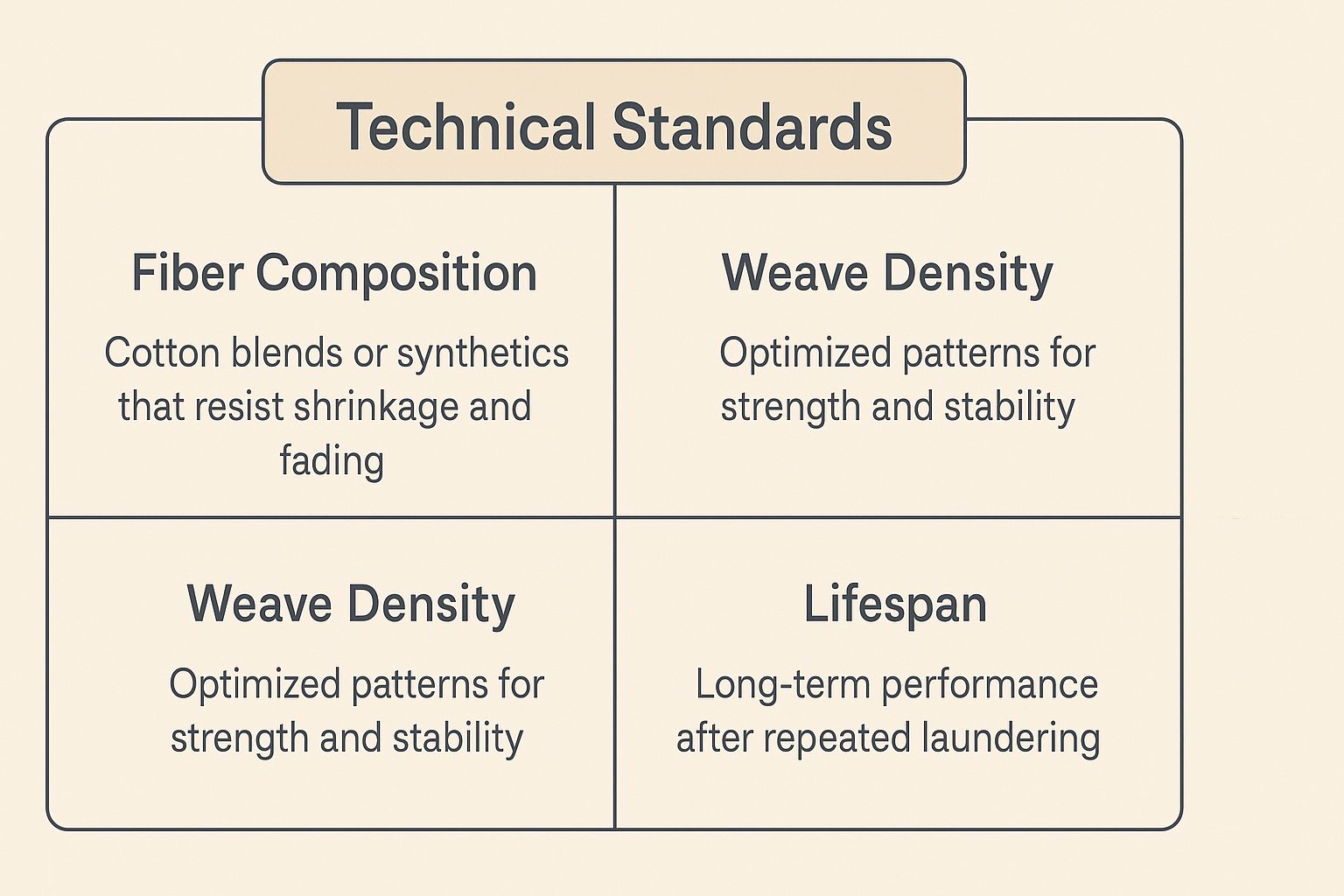
Commercial-grade bedding is engineered with carefully selected cotton blends or high-performance synthetic alternatives designed to resist shrinkage, pilling, and color fading. These fibers are chosen not only for comfort but also for their ability to endure high-temperature washing, chlorine or peroxide bleaching, and aggressive mechanical action in industrial laundries. Longer fiber staples and higher tensile strength ratings contribute to improved resilience, allowing the bedding to maintain its structure, smoothness, and appearance over an extended service life.
Weave Density Specifications
In professional bedding applications, durability is defined more by weave structure than by sheer thread count. While luxury retail products often promote high thread counts, institutional-grade bedding relies on optimized weave patterns—such as percale or sateen with balanced yarn tension—to achieve maximum strength and stability. This construction ensures dimensional integrity, resists tearing, and maintains fabric smoothness through hundreds of laundering cycles. Manufacturers calibrate yarn density, twist, and interlacing techniques specifically for the heavy-use demands of hotels, hospitals, and other high-traffic facilities.
Need Reliable Wholesale Supplies for Your Facility?
Hotels, healthcare facilities, restaurants, and commercial operations across Canada trust Linen Plus for consistent bulk supply and commercial-grade quality.

Bulk Wholesale Pricing
Competitive pricing for large-volume procurement.

Reliable Nationwide Supply
Consistent inventory and fast shipping across Canada.

Hospitality & Healthcare Grade
Products designed for demanding commercial environments.
Laundering Performance Characteristics
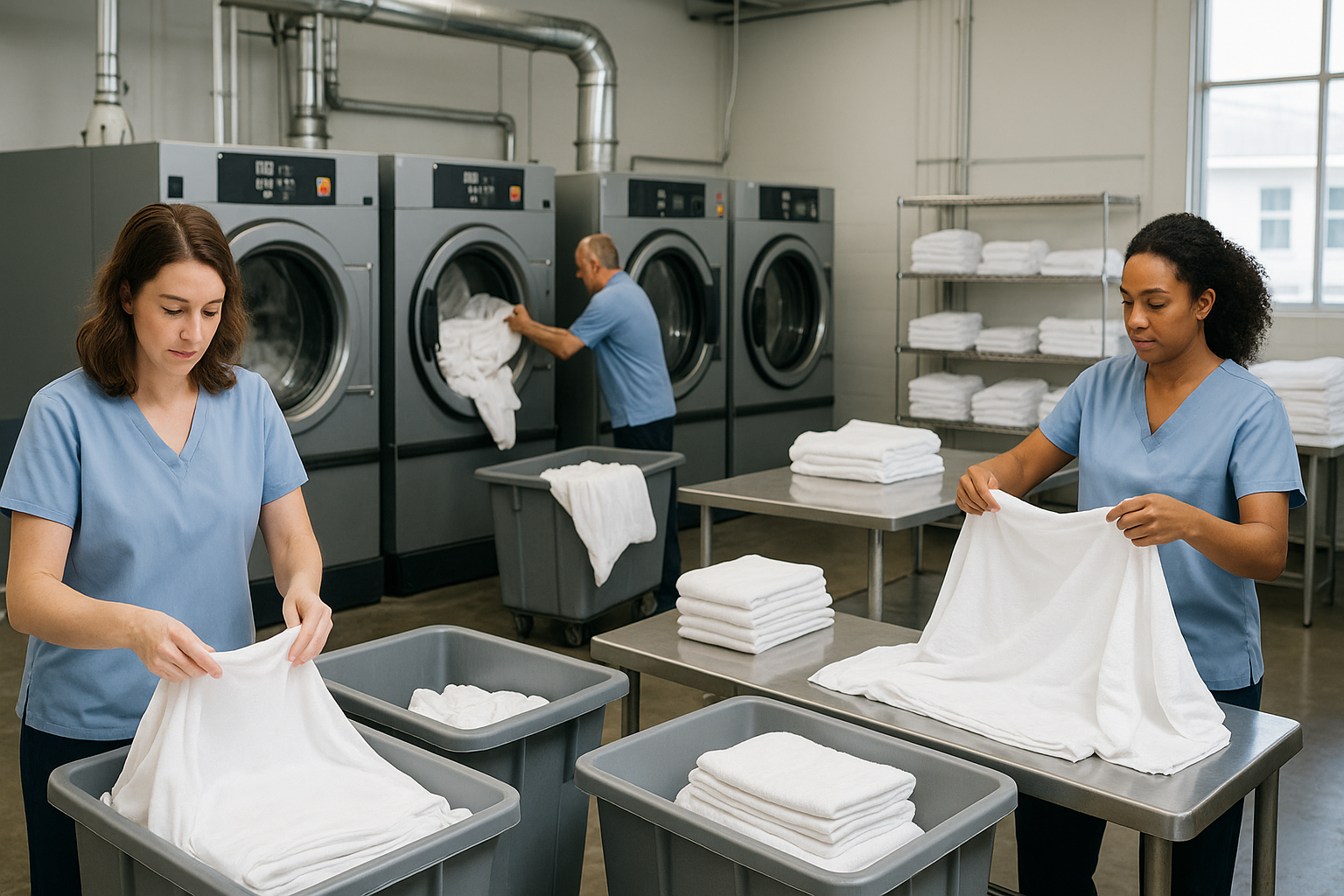
Temperature Resistance Properties: Commercial laundry operations often require water temperatures exceeding residential standards to ensure proper sanitization. Quality bedding materials resist fiber damage at these elevated temperatures while maintaining their original texture. This capability proves essential for healthcare and hospitality facilities with strict hygiene requirements.
Chemical Compatibility Features: The repeated exposure to industrial-strength detergents and bleaching agents can rapidly deteriorate inferior textiles. Professional-grade bedding incorporates chemical-resistant treatments that preserve color integrity and fabric strength. These treatments also prevent the accumulation of residues that can compromise softness over time.

Operational Cost Analysis
Replacement Frequency Reduction: Facilities using premium quality bedding typically experience replacement cycles of 18-24 months compared to 6-9 months for standard alternatives. This extended lifespan reduces procurement workload and storage requirements. The predictable replacement schedule also simplifies budget planning and inventory management for facility administrators.
Labor Efficiency Benefits: Durable bedding maintains its shape and size consistency, reducing the time housekeeping staff spends on fitting and adjustment. Quality materials also resist pilling and snag formation, minimizing the need for manual inspection and removal of damaged items.
Performance Testing Standards
Quality commercial bedding undergoes standardized testing procedures to verify its durability claims:
● Colorfastness testing measures resistance to fading under commercial washing conditions
● Tensile strength evaluation determines fabric integrity after repeated stress cycles
● Shrinkage assessment ensures dimensional stability across temperature variations
● Abrasion resistance testing simulates long-term wear patterns in high-use environments
Economic Impact Assessment
Total Cost of Ownership: The true value of premium bedding becomes evident when calculating lifetime costs rather than initial purchase prices. Quality products often cost 40-60% more upfront but deliver 200-300% longer service life. This mathematics strongly favors the initial investment in superior materials for most commercial applications.
Guest Satisfaction Correlation: Research indicates that bedding quality directly influences customer perception and return rates in hospitality settings. Facilities using durable, consistently comfortable bedding report higher satisfaction scores and reduced complaints related to textile quality. These improvements translate into measurable revenue benefits over time.
Conclusion
The decision to invest in commercial-grade bedding represents a strategic choice that impacts both operational efficiency and customer experience. Facilities that prioritize durability in their textile selection consistently outperform competitors who focus solely on initial cost savings. Take action today by evaluating your current bedding performance against these commercial standards and consider upgrading to materials designed for your operational demands.


