


Operating a profitable commercial kitchen in Canada has undergone a massive structural shift. Between compressed gross margins, surging energy tariffs across provinces like Ontario and Alberta, and severe skilled labor shortages, the old playbook for buying kitchen equipment is officially obsolete. Simply opening a catalog and picking standard ranges or walk-in freezers based on upfront price tags is a fast track to margin erosion.
To succeed today, Canadian hospitality operators must treat commercial equipment procurement as an integrated financial and operational strategy. When you source and supply restaurant equipment, every single piece—from your heavy-duty line units to daily prep smallwares—must be evaluated through a rigorous lens: total cost of ownership (TCO), kilowatt-hour efficiency, ergonomic labor optimization, and localized supply chain resilience.
This comprehensive blueprint walks food service directors, executive chefs, and restaurant owners across Canada through building a high-efficiency kitchen that maximizes throughput, slashes utility overhead, and protects bottom-line margins.
1. Rethinking Commercial Equipment Sourcing: The Canadian Reality
The Canadian commercial foodservice market represents a $125 billion industry supporting over 1.2 million workers. However, operating in Canada presents unique geographical and economic hurdles that American or European frameworks fail to address. Distributing equipment across vast regional centers—from Vancouver to Halifax—requires a supply partner with robust national fulfillment capabilities and localized compliance knowledge.
Need Reliable Wholesale Supplies for Your Facility?
Hotels, healthcare facilities, restaurants, and commercial operations across Canada trust Linen Plus for consistent bulk supply and commercial-grade quality.

Bulk Wholesale Pricing
Competitive pricing for large-volume procurement.

Reliable Nationwide Supply
Consistent inventory and fast shipping across Canada.

Hospitality & Healthcare Grade
Products designed for demanding commercial environments.
Navigating Canadian commercial kitchens requires strict adherence to regulatory benchmarks like CSA Sanitation, NSF International standards, and provincial energy codes. Furthermore, as quick-service restaurants (QSR) and ghost kitchen concepts capture the fastest-growing market share, equipment footprint optimization has become critical. Operators can no longer afford wasted square footage or idle energy draw.
The Modern Shift: From Price Tag to Payback Period
Forward-thinking Canadian operators evaluate equipment using Payback Period Math. A high-efficiency combi oven or smart holding cabinet may carry a 20% higher upfront purchase price, but if it cuts monthly power bills by $350 and reduces meat shrinkage by 8%, the unit pays for itself in less than 14 months.


2. Essential Equipment Categories for Maximum Operational Efficiency
To streamline kitchen workflow and prevent bottlenecks during peak rush hours, equipment must be strategically grouped into functional zones. Here is how top-tier Canadian establishments structure their equipment investments.
A. Precision Food Preparation & Sous-Vide Systems
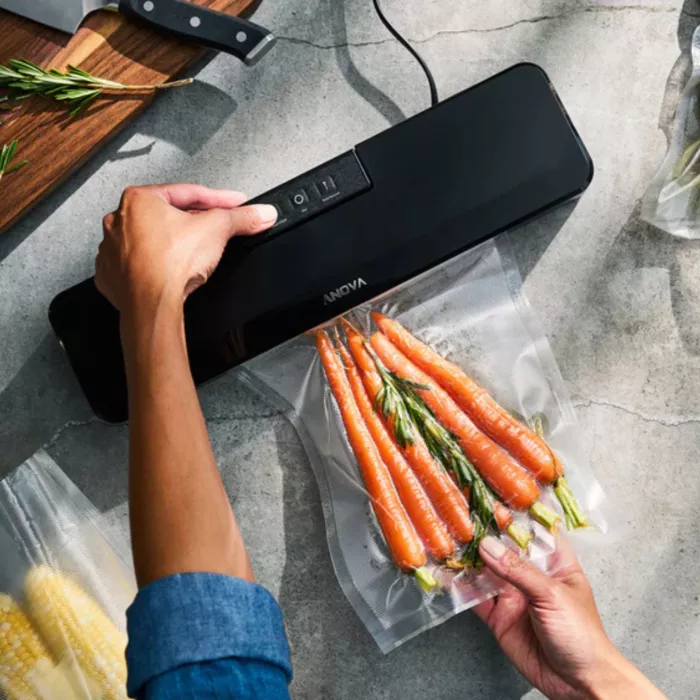
Prep stations are the engine room of any commercial kitchen. Subpar prep tools lead to uneven knife cuts, food waste, and excessive labor hours. Investing in commercial-grade vacuum sealers, heavy-duty processors, and precision thermal immersion circulators allows kitchens to implement sous-vide prep workflows. This locks in yield, extends ingredient shelf-life, and enables pre-portioned efficiency.

B. Thermal Holding & Countertop Warming Systems
Food quality degrades rapidly if holding temperatures fluctuate between cook time and table presentation. Modern holding equipment relies on precise pulse-heating technology to maintain safe holding zones without continuing to cook the dish or drying out delicate proteins. Countertop warmers and steam tables ensure compliance with Canadian public health safety codes while maintaining dish consistency.


3. Front-of-House Ambiance: Linens, Glassware, and Tabletop Setup
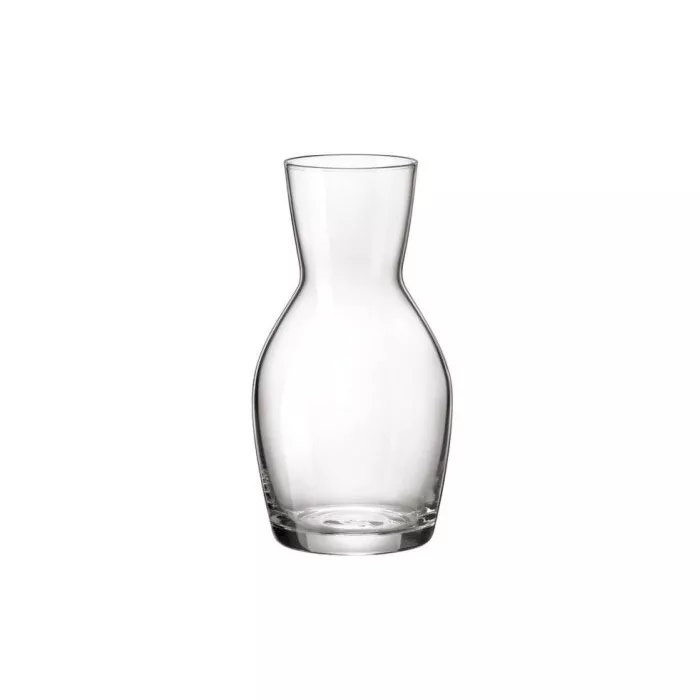
While back-of-house equipment drives speed and food safety, front-of-house presentation directly dictates guest perception, average check size, and review scores. A well-equipped dining area leverages high-durability linens, double-walled thermal glassware, and elegant carafes to craft a memorable dining narrative.
Implementing premium table linens protects tabletop furniture while absorbing acoustic noise in high-volume dining rooms, allowing for comfortable guest conversations. Simultaneously, elevated glassware showcases beverage programs—from crafted cocktails to artisanal coffee infusions.


4. Kitchen Architecture: Stainless Steel Worktables & Furniture
Kitchen ergonomics play a direct role in staff retention and physical strain reduction. Utilizing high-grade 304 stainless steel worktables with adjustable undershelves provides essential non-porous prep surfaces that meet Canadian health inspector requirements while standing up to harsh chemical sanitization routines.
Equally critical is choosing durable, easy-to-clean dining room furniture and fixtures. Heavy commercial dining chairs and sturdy bases prevent wobble and wear, surviving millions of seating cycles over their operational lifetime.


5. Key Factors When Evaluating Equipment Contracts
Purchasing equipment is only step one; maintaining performance across a 5-to-10-year lifespan requires evaluating five key operational criteria before signing any supply contract:
- Energy Efficiency & Utility Rebates: Look for ENERGY STAR® certified refrigeration and cooking suites. Canadian provincial utilities (such as BC Hydro, Save on Energy in Ontario, or Hydro-Québec) offer substantial cash-back rebates on qualifying energy-efficient commercial appliances.
- Ergonomics & Labor Efficiency: Choose smart equipment with programmed preset menus. When a line cook can execute complex baking or roasting profiles at the push of a button, training time drops from weeks to hours.
- Preventative Maintenance Accessibility: Ensure units feature front-facing service access, removable magnetic gaskets, and self-diagnostic error codes. Equipment that requires custom technicians for basic filter cleans leads to costly downtime.
- Dimensions & Ventilation Clearance: Always measure doorway clearances, hood depth, and utility connection points (gas lines, phase 3 electrical connections, and dedicated water lines) before placing equipment orders.
- National Supply Chain Backing: Partner with established Canadian distributors that maintain inventory stock within national fulfillment hubs to avoid long lead times on spare parts or expansion units.
6. Strategic Sourcing: Why One-Stop B2B Supply Chains Win
Managing twenty different vendors for knives, glass, line warmers, and linens creates administrative chaos. Fragmented sourcing results in multiple freight fees, invoice reconciliation delays, and inconsistent delivery schedules. Canadian operators are rapidly consolidating vendor lists by partnering with single-source B2B suppliers like Linen Plus.
By streamlining your supply chain through a single national partner, you unlock tiered volume pricing, consolidated freight shipments, and dedicated account managers who understand the nuances of Canadian commercial food service operations.
Conclusion: Future-Proofing Your Canadian Foodservice Operation
Supplying a restaurant with commercial equipment is no longer a simple transactional purchase—it is a cornerstone strategic decision that dictates operational agility, food quality, and long-term business resilience. By moving beyond basic price shopping and prioritizing energy efficiency, ergonomic labor savings, and national supply chain reliability, you insulate your business against rising costs and set your kitchen up for sustainable growth.
Ready to upgrade your kitchen setup or equip a brand-new concept? Explore the complete line of commercial equipment, smallwares, and tabletop collections directly at the Linen Plus Restaurant Supplies & Equipment Portal.


