


The flat sheet, often undervalued, plays a pivotal role in the overall aesthetic and operational efficiency of your bedroom or hospitality property. While many focus strictly on the duvet cover or decorative accent pillows, the flat sheet serves as the fundamental foundation that anchors the look, tactile feel, and hygienic maintenance of a sleeping space. Specifically, white sheets flat configurations offer an unparalleled blend of minimalism, clean aesthetics, and timeless refinement that easily enhances any decor style. Their absolute neutrality allows them to harmonize with a vast spectrum of design choices, making them an incredibly versatile asset for both individual Canadian households and high-traffic commercial hospitality properties across Canada.
From a purely visual perspective, a premium flat sheet behaves like a blank artist's canvas, allowing secondary architectural and design elements in the room to stand out cleanly. Imagine a vibrant, heavily patterned Canadian rustic comforter paired with a crisp, stark white flat sheet—this creates an ideal visual counterweight that stops the bed from appearing chaotic or overcrowded. Conversely, a minimalist modern space benefits immensely from the continuous, clean lines and uncluttered aesthetics that white flat sheets naturally provide. They build an inherently serene, visually quiet, and calming sleep sanctuary, which psychological and physiological sleep data consistently show is essential for achieving deep, restorative rest.
Beyond pure cosmetics, flat sheets carry immense operational and protective utility. They establish a physical hygienic barrier between the sleeper and the secondary insulating layers like blankets, duvets, or heavy comforters, shielding these bulkier items from direct contact with body oils, sweat, and exfoliated skin cells. This protective buffer keeps your primary top bedding cleaner for drastically longer cycles. For Canadian residential homes, this is uniquely practical if you share your living space with pets that occasionally curl up on the bed. For Canadian hoteliers, institutional property managers, and short-term vacation rental hosts, the mechanical ease of laundering a flat sheet compared to stripping, washing, and drying a heavy, thick comforter translates directly to massive labor savings, reduced water consumption, and protected profit margins. The humble flat sheet is an unsung operational workhorse, boosting both aesthetic value and baseline functionality across the Canadian hospitality landscape.
The Operational Science: Why "White Sheets Flat" is the Industry Standard for Commercial Procurement
In the competitive Canadian hospitality sector—spanning luxury boutique hotels in Vancouver, bustling corporate properties in Toronto, and cozy resort lodges across Alberta and Quebec—the choice of linen is never merely a design decision. It is an exercise in rigorous asset management and cost optimization. Procurement directors and executive housekeepers overwhelmingly opt for white flat sheets over colored or fitted variants for a series of sound operational reasons rooted in physics, industrial chemistry, and labor efficiency.
First and foremost is the mathematical reality of laundry rotation and stock interchangeability. Fitted sheets are bound to specific mattress profiles and depths, and their elastic edges are notorious points of mechanical failure, prone to losing elasticity under the extreme heat of commercial ironers and industrial dryers. Flat sheets, by contrast, are geometrically uniform pieces of fabric. A single oversized flat sheet model can often pull double duty across multiple mattress profiles or be deployed via traditional triple-sheeting methods to replace the need for specialized duvet covers entirely. This flexibility radically slashes the total number of distinct Stock Keeping Units (SKUs) an institutional laundry facility needs to track, sort, and store, minimizing operational friction during fast room turnarounds.
Furthermore, the chemical resilience of pure white fabric under commercial wash conditions cannot be overstated. When managing thousands of pieces of linen, stains from cosmetics, body oils, coffee, and organic matter are a daily certainty. White textiles can withstand high-temperature thermal disinfection cycles and heavy chemical treatments—such as oxygen or chlorine bleaching agents—without the risk of color fading, pigment shifting, or unappealing patchiness that ruins colored sheets. This durability extends the useful lifecycle of the linen asset dramatically, driving down the property's overall cost-per-room-turn. When you source high-quality institutional white flat sheets, you are directly investing in a predictable, high-performance operational asset built to survive hundreds of industrial wash cycles without losing structural integrity or crisp visual appeal.
Choosing the Right Fabric Architecture for White Flat Sheets
Selecting the precise fabric composition and structural weave for your white flat sheets is the most critical lever in determining both long-term durability and skin-contact comfort. With a vast array of textile engineering options available on the modern market, it is essential to understand how different yarn structures perform over time under varying environmental stresses to make a smart, profitable purchasing decision.
1. Premium Cotton and Cotton-Rich Blends: Pure cotton remains a gold standard due to its excellent breathability, natural hypoallergenic properties, and luxurious handfeel. Long-staple variants, such as premium Egyptian or Pima cotton, utilize longer fibers to spin incredibly fine, smooth, yet highly resilient yarns. The resulting textile is highly resistant to pilling and friction wear. However, for commercial environments where time is money, 60/40 or 50/50 poly-cotton blends offer a powerful strategic alternative. By blending the organic breathability of cotton with the high tensile strength and wrinkle resistance of polyester, these sheets dry faster, wrinkle less, and resist tearing under industrial tension.
2. The Percale vs. Sateen Weave Mechanics: The method used to interlace the horizontal (weft) and vertical (warp) yarns completely transforms the final performance profile of the sheet:
- Percale: Uses a classic, tight one-over-one-under plain weave structure. This engineering produces a matte finish with a crisp, cool, paper-like feel. It is highly breathable, making it a favorite for hot sleepers and summer climates, and features exceptional structural durability.
- Sateen: Employs a four-over-one-under satin weave pattern. This exposes more yarn surface on the face of the fabric, creating a lustrous sheen, a silky drape, and a heavier, warmer feel. Sateen is exceptionally smooth against the skin but can be slightly more susceptible to surface snagging in high-turnover settings.
3. Microfiber and Alternative Synthetics: Engineered from ultra-fine polyester micro-strands, microfiber sheets deliver an extraordinarily soft, velvety surface texture at an accessible price point. They are nearly immune to wrinkling and shrink very little in the wash, making them a common choice for budget-conscious properties or busy, high-volume households. While they lack the premium, cool breathability of natural fibers—sometimes trapping heat for warm sleepers—their rapid drying times significantly cut utility costs in high-volume laundry setups.
Mastering the Triple-Sheeting Method: Visual Styling and Structural Execution
Styling your bedding architecture with white flat sheets is an engaging, creative process that unlocks distinct visual aesthetics while keeping operational efficiency high. One widely adopted technique across global five-star properties is triple-sheeting. This design style completely eliminates the need for a traditional duvet cover by sandwiching a plush, insulating blanket between two crisp flat sheets, topped with a third decorative flat sheet. This creates a remarkably polished, uniform aesthetic that signals flawless hygiene and attention to detail to every guest who enters the room.
For those who prefer a monochromatic, crisp minimalist look, layering multiple weights and subtle patterns of white creates beautiful texture without introducing visual noise. You can start with a foundational, high-thread-count white flat sheet, overlay a tone-on-tone satin-striped flat sheet, and fold the top collar back over a thick knit blanket. To introduce rich depth and contrast, use white flat sheets as a stark backdrop against bold colored elements. A pristine white sheet folded over a deep charcoal gray or rich navy duvet creates a striking look that roots the room's design.
Achieving a neat, tightly tailored look requires mastering clean engineering details like the hospital corner. Pull the flat sheet flush across the foot of the mattress, tuck the overhang firmly underneath the bottom edge, then lift the loose side flap at a precise 45-degree angle, draping it neatly over the top mattress surface. Tuck the remaining bottom vertical edge flush against the mattress sidewall, then drop the angled flap down and tuck it tight. This simple, geometric fold holds the sheet firmly in place, keeping it from shifting or bunching during the night and ensuring a taut, professional presentation day after day.
The Invisible ROI: Hidden Benefits of White Bedding in Canadian Climates
The operational benefits of integrating premium white flat sheets into your textile inventory extend far beyond surface aesthetics and wash day convenience. From a consumer psychology perspective, pure white sleep surfaces trigger an instant perception of absolute cleanliness and clinical safety. In the hospitality sector, this psychological reassurance directly translates into higher guest satisfaction scores, better online reviews, and increased repeat business. The clean presentation of crisp white linens acts as a transparent proof point that a room has been thoroughly sanitized, building immediate trust before a guest even unpacks.
Need Reliable Wholesale Supplies for Your Facility?
Hotels, healthcare facilities, restaurants, and commercial operations across Canada trust Linen Plus for consistent bulk supply and commercial-grade quality.

Bulk Wholesale Pricing
Competitive pricing for large-volume procurement.

Reliable Nationwide Supply
Consistent inventory and fast shipping across Canada.

Hospitality & Healthcare Grade
Products designed for demanding commercial environments.
In the diverse Canadian climate—where outdoor conditions shift from humid, high-temperature summer afternoons to frigid winter nights—white flat sheets serve as a smart tool for thermal management and light maximization. White surfaces reflect natural light, rather than absorbing it. During short, dark winter days, white bedding helps catch ambient daylight, making smaller spaces feel larger, brighter, and more open. From a comfort perspective, premium cotton-poly flat sheets adapt beautifully to changing seasons. They provide a light, breathable layer that promotes airflow during warm summer nights, yet layer smoothly beneath heavy thermal duvets to lock in body heat when winter sets in.
Featured Commercial Product Solutions from Linen Plus

Merit Collection™ T260 Luxury Percale Flat Sheet White
1cm Tone on Tone Stripe. Luxury hospitality performance.
View Product
Percale Flat Sheets T250 White 60/40 Blend
Wrinkle resistant, hotel quality commercial construction.
View Product
Get 'The Ultimate Linen Procurement Mastery Guide' for Free
Master your supply chain, cut unnecessary spending, and streamline commercial sourcing with our essential industry playbook.

Hotel T200 Percale Flat Sheets Navy Adonis
Deep rich color palette for striking accent setups.
View Product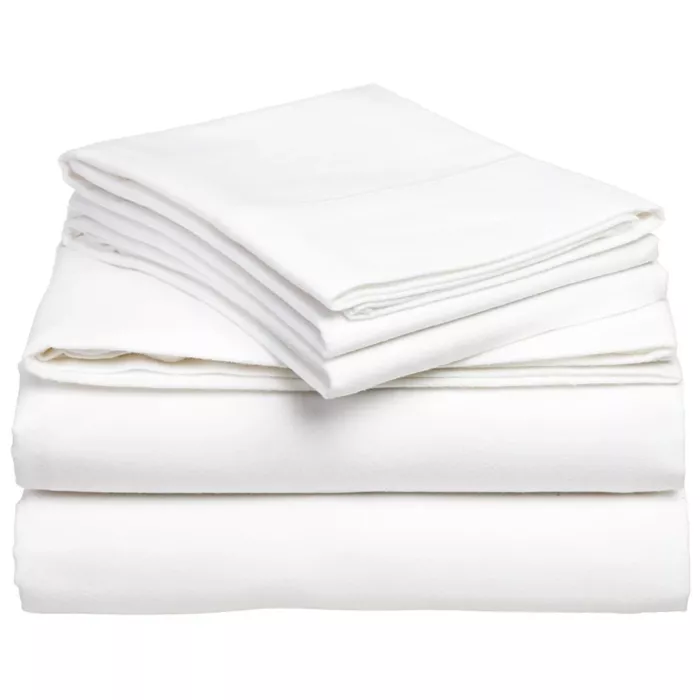
Adonis T180 Percale Twin Flat Sheet White
50/50 blend, high-utility institutional bedding solutions.
View ProductFrom a maintenance perspective, white linens offer unique practical advantages over dyed textiles. Colored sheets are vulnerable to irreversible spotting from everyday consumer products containing benzoyl peroxide (common in acne treatments) or alpha-hydroxy acids, which strip dyes and leave permanent, orange-tinted blemishes. White sheets eliminate this risk entirely. Their timeless style also outlasts shifting interior design trends, allowing you to update accent colors, headboards, or room decor without needing to purchase an entirely new set of matching linens. This flexibility makes them a highly resilient, long-term asset for any property manager.
Advanced Stain Chemistry and Textile Maintenance Protocols
Keeping white flat sheets looking pristine over a long operational lifespan requires moving beyond generic wash cycles and adopting precise, systematic laundering protocols. The primary threat to white fabrics is gradual yellowing or graying, typically caused by a buildup of unwashed body oils, mineral deposits from hard water, and soap residue left behind by overused detergents.
To protect the long-term brightness of your linens, implement these professional best practices:
- Precise Detergent Dosing: Using too much detergent is a leading cause of dull, graying sheets. When soap isn't fully rinsed out, it leaves a sticky microscopic film that attracts loose dirt and oils in the wash water. Stick to precise dosing guidelines, and consider adding a dedicated souring agent or a cup of distilled white vinegar during the final rinse cycle to neutralize alkalinity and strip away stubborn soap film.
- Smart Stain Pre-treatment: Treat organic stains immediately before they have a chance to heat-set in the dryer. For oil-based blemishes, makeup, or stubborn collar rings, apply an enzyme-active pre-wash spray directly to the area. For protein-based stains, always use cold water first to prevent the proteins from locking into the fabric matrix.
- Strategic Bleaching: While chlorine bleach is a highly effective sanitizer, using it too frequently can actually weaken cotton fibers and cause a yellowish tint over time due to chemical reactions with iron minerals in the water. Instead, use oxygen-based whitening boosters or specialized fabric brighteners to maintain vivid brightness without degrading the underlying textile structure.
- Temperature Control: Wash white linens at a sustained temperature of 60°C (140°F) to thoroughly break down stubborn body fats and eliminate embedded bacteria or dust mites. When drying, choose a low-to-medium heat setting and pull the sheets out while they retain a tiny hint of moisture. This small step prevents fiber friction and making ironing much easier.
Creative Applications Beyond the Bed: Repurposing Flat Sheets
Because high-quality flat sheets are essentially large, continuous rectangles of carefully woven, durable fabric, their value extends far beyond traditional bed-making. Property stylists, event planners, and creative homeowners frequently use white flat sheets for a variety of alternative applications, utilizing their clean look and durability to solve design challenges on a budget.
A popular option is transforming oversized white flat sheets into elegant, floor-to-ceiling drapery. By attaching simple drapery rings or clip-ons to the top hem, you can slide them onto a standard curtain rod to create beautiful, light-filtering curtains. The generous width of king or queen flat sheets creates a full, luxurious drape that softens harsh sunlight, brightens dark corners, and brings an airy feeling to any room. It's a quick, cost-effective way to dress windows in temporary rental properties, large event spaces, or staging projects.
In the event industry, white flat sheets are widely used as versatile, heavy-duty linens for dining tables, buffet displays, or outdoor gatherings. Their simple, clean background pairs perfectly with any theme or color palette. Because they can withstand high-temperature washing and bleaching, they are incredibly practical for food service, easily bouncing back from spilled red wine, grease, or coffee stains. Additionally, they make excellent, high-resolution screens for outdoor movie nights or simple backdrops for casual photo studios. This multi-purpose versatility makes a deep inventory of flat sheets a smart, highly useful investment for any creative professional.
Procurement Pitfalls: Avoidable Mistakes in High-Volume Sourcing
When purchasing flat sheets at scale, it is easy to fall into traps that can lead to rapid linen damage, unhappy guests, and wasted budget. The most common error is focusing solely on upfront purchase price while ignoring the total cost of ownership. Low-cost, low-grade sheets often feature weak thread construction, thin single-ply yarns, and poor edge stitching. Under the daily strain of high-volume commercial washing, these sheets shrink excessively, fray at the seams, and thin out quickly, forcing frequent, expensive replacements that wipe out any initial savings.
Another common pitfall is mismatching your fabric selection with your operational setup. For example, buying 100% fine sateen cotton sheets for a high-turnover property without an in-house commercial ironer or a dedicated laundry team is a recipe for wrinkled beds and slow turnarounds. If your team needs to move fast, opting for wrinkle-resistant percale cotton-poly blends is a much wiser strategic move. It ensures your beds look crisp and smooth without requiring excessive labor or specialized finishing equipment.
Finally, never overlook exact sizing dimensions. Mattresses in the modern Canadian hospitality industry are increasingly deep, often featuring thick pillow-top layers. If you buy standard flat sheets without factoring in this extra height, your staff won't have enough fabric to tuck secure, tight hospital corners. The sheet will pull loose easily during the night, leading to an untidy bed and guest complaints. Always accurately measure your mattress height, add a generous allowance for the under-mattress tuck, and purchase your flat sheet dimensions accordingly.
Sustainability Metrics: Building an Eco-Conscious Linen Strategy
Modern commercial linen procurement requires balancing durability and guest comfort with meaningful environmental responsibility. Today's travelers and commercial clients favor properties that show a clear commitment to sustainable practices, making eco-conscious sourcing a key part of a successful hospitality brand strategy.
To build a truly sustainable linen program, focus on these core areas:
- Sourcing Certified Textures: Prioritize linens backed by recognized environmental certifications, such as the Global Organic Textile Standard (GOTS) or OEKO-TEX Standard 100. These labels guarantee the fabric has been thoroughly tested to ensure it is free from harmful chemical residues, heavy metals, and toxic processing agents, making it safe for your guests and gentle on the planet.
- Optimizing Laundry Efficiency: A significant portion of a textile's environmental footprint comes from daily wash cycles. Integrating advanced poly-cotton blends into your inventory can sharply cut water consumption and energy use. These engineered fabrics hold less water during the spin cycle, reducing drying times by up to 30% compared to heavy, 100% cotton alternatives. This saves valuable time and drastically lowers utility costs.
- Extending the Product Lifecycle: The most sustainable piece of linen is one that doesn't need to be replaced. By investing in high-tensile yarns, reinforced hems, and proper stain-treatment protocols, you can maximize the lifespan of your sheets. Extending their usable cycles minimizes waste and reduces the carbon footprint associated with producing and shipping new goods.


Conclusion: Elevate Your Commercial Property Architecture with Linen Plus
In conclusion, high-quality white flat sheets are far more than basic bedding elements—they serve as a timeless foundation for excellent room design, smooth operations, and smart financial management. Their continuous versatility and clean style can easily refresh any sleeping space, helping you build a highly professional, welcoming, and perfectly clean environment. By choosing the right fabric structure, training your staff in efficient bed-making techniques like triple-sheeting, and following targeted stain-care protocols, you can maximize your linen investments and enjoy these benefits for years to come.
Investing in high-grade options constructed from durable cotton-poly blends or long-staple cotton fibers ensures your sheets will retain their crisp texture and bright appearance through heavy use. Partnering with a dedicated wholesale supplier allows property owners and procurement managers to source consistent, top-performing products that align with their operational needs and brand standards, avoiding common sourcing errors and keeping supply costs predictable.
Ultimately, pure white flat sheets act as a highly versatile canvas, letting you show off your unique style while keeping guest comfort and room hygiene at the highest levels. Whether your goal is to create a sleek, modern minimalist aesthetic or a rich, multi-layered look, choosing the right flat sheets will help you achieve your design targets smoothly. Explore our full, premium collections today to find the perfect linen options that fit your operational workflow and long-term business strategy.
Ready to optimize your property's commercial linen asset performance?


