


Discover the perfect blend of style, industrial-grade efficiency, and practicality with our expanded 2026 guide to the top linen tea towels in Canada. Whether you are outfitting a busy commercial kitchen, elevating a boutique hotel suite, or upgrading your personal culinary space, choosing the right textile impacts everything from operational costs to everyday drying speed. Elevate your kitchen effortlessly with engineered natural fibers that outperform synthetic substitutes at every level.
What are the best kitchen tea towels in Canada? Pure linen and high-density cotton/linen blends remain the industry gold standard for Canadian homes and commercial kitchens. Flax linen absorbs up to 20% of its dry weight in moisture without feeling wet, dries 50% faster than standard cotton, and reduces lint deposition on glassware to near zero. For high-volume operations, pair premium linen tea towels with commercial-grade bath linen solutions to streamline operational laundry efficiency.
The Science of Natural Fibers: Why Linen Dominates Canadian Kitchens
Linen has long been a favored fabric for essential household and commercial items, especially tea towels. Derived from the resilient flax plant (Linum usitatissimum), linen stands out as an eco-friendly, highly sustainable textile. However, beyond its environmental credentials, linen provides structural benefits that synthetics and low-grade cottons simply cannot match.
The natural cellulose structure of flax fibers features hollow cores. This unique molecular composition allows linen tea towels to wick moisture away rapidly through capillary action. While traditional terry cloth traps water in surface loops, linen pulls moisture straight into its core. The result is a towel that can absorb up to 20% of its weight in water before feeling damp to the touch.
Furthermore, linen boasts unmatched tensile strength. Flax fibers are roughly 30% stronger when wet than dry, ensuring your linen tea towels withstand aggressive commercial wash cycles, sanitizing chemicals, and relentless friction without fraying or shedding lint. For Canadian businesses—from bustling Toronto bistros to coastal Nova Scotia bed and breakfasts—this durability saves significant budget over long-term procurement cycles.
Featured Essential Kitchen & Utility Linens
Pairing high-performance kitchen tea towels with matching commercial-grade textiles keeps your entire property looking pristine. Explore top-rated choices from Linen Plus Canada:


Linen vs. Cotton vs. Microfiber: The 2026 Comparison Matrix
Selecting the right kitchen towels requires understanding performance differences across materials. While microfiber is popular for quick wiping, its petroleum-based synthetic construction traps grease, melts under high heat, and sheds microplastics into Canadian waterways during laundering. Traditional cotton is soft but stays damp for extended periods, creating an environment ripe for mildew.
Need Reliable Wholesale Supplies for Your Facility?
Hotels, healthcare facilities, restaurants, and commercial operations across Canada trust Linen Plus for consistent bulk supply and commercial-grade quality.

Bulk Wholesale Pricing
Competitive pricing for large-volume procurement.

Reliable Nationwide Supply
Consistent inventory and fast shipping across Canada.

Hospitality & Healthcare Grade
Products designed for demanding commercial environments.
| Performance Metric | 100% Pure Flax Linen | Standard Ring-Spun Cotton | Synthetic Microfiber |
|---|---|---|---|
| Absorbency Rate | Very High (20% weight capacity) | High (Traps water in loops) | Moderate (Surface absorption) |
| Drying Velocity | Ultra-Fast (~50% faster than cotton) | Slow (Retains moisture long-term) | Fast |
| Lint Deposition | Near Zero (Ideal for crystal glassware) | Moderate to High | Low (Degrades after hot wash) |
| Heat Resistance | Exceptional (Safe for hot cookware) | High | Poor (Melts above 60°C / 140°F) |
| Bacterial Resistance | Naturally Antimicrobial & Quick-Drying | Prone to mildew smell if bunched | Prone to trapping odor-causing bacteria |
| Environmental Impact | 100% Biodegradable, minimal water needed | High water/pesticide input | Non-biodegradable microplastics |
Key Features to Evaluate When Procurement Sourcing
Whether shopping for a home kitchen in Vancouver or procuring in bulk for hospitality units in Edmonton, specific structural factors dictate how well a towel performs over hundreds of wash cycles.
1. Weave Density and Structural Weight (GSM)
The weave tightness determines the balance between absorbency and drying velocity. A high-density plain weave or classic huckaback weave offers superior mechanical scrubbing and fast drying. Look for textiles in the 200–280 GSM (Grams per Square Meter) range for tea towels. This weight provides ample body for polishing heavy cookware while drying fast enough to prevent bacterial colonization.
2. Pre-Washing and Stone-Washing Treatments
Raw linen can feel stiff upon initial purchase. Premium manufacturers utilize enzyme washing or stone-washing techniques to break down rigid surface fibers. This pre-wash treatment ensures maximum absorbency right out of the package while eliminating future shrinkage issues—a critical metric when managing inventory replacement schedules.
3. Dimensional Sizing and Hanging Loops
Standard retail tea towels often measure 15" x 25", which quickly becomes saturated during heavy prep work. Commercial-grade and premium European tea towels favor generous dimensions like 18" x 28" or 20" x 30". Larger surface area spreads absorbed water over more fabric, accelerating evaporation. Integrated cotton twill hanging loops are also essential, allowing towels to air-dry flat rather than remaining crumpled on damp countertops.
Eco-Friendly & Organic Hand Towel Options
Complement your kitchen setup with eco-certified hand linens designed for high-use environments:


Top Brands and Market Trends in Canada
The Canadian marketplace features a diverse mix of boutique artisans, eco-luxury suppliers, and commercial distributors. Understanding the landscape helps you make informed purchasing decisions based on your specific volume and aesthetic goals.
Leading Canadian consumer options include Flax Sleep, celebrated for 100% European flax constructions tailored toward modern residential aesthetics; Libeco, an international benchmark for Belgian craft linen; and Rain Goose Textiles, providing screen-printed art on natural flax backing. Meanwhile, hospitality buyers needing high-volume consistency turn to commercial stockists like Linen Plus to combine linen durability with dependable supply chain fulfillment across Canada.
Shift Toward Eco-Conscious Hospitality Procurement
Data shows that over 68% of Canadian consumers prefer businesses that actively demonstrate environmental stewardship. Transitioning from disposable paper towels or short-lived synthetic cloths to durable, biodegradable flax linen tea towels significantly cuts single-use waste. Businesses that showcase sustainable linen usage build positive brand alignment while lowering waste management surcharges.
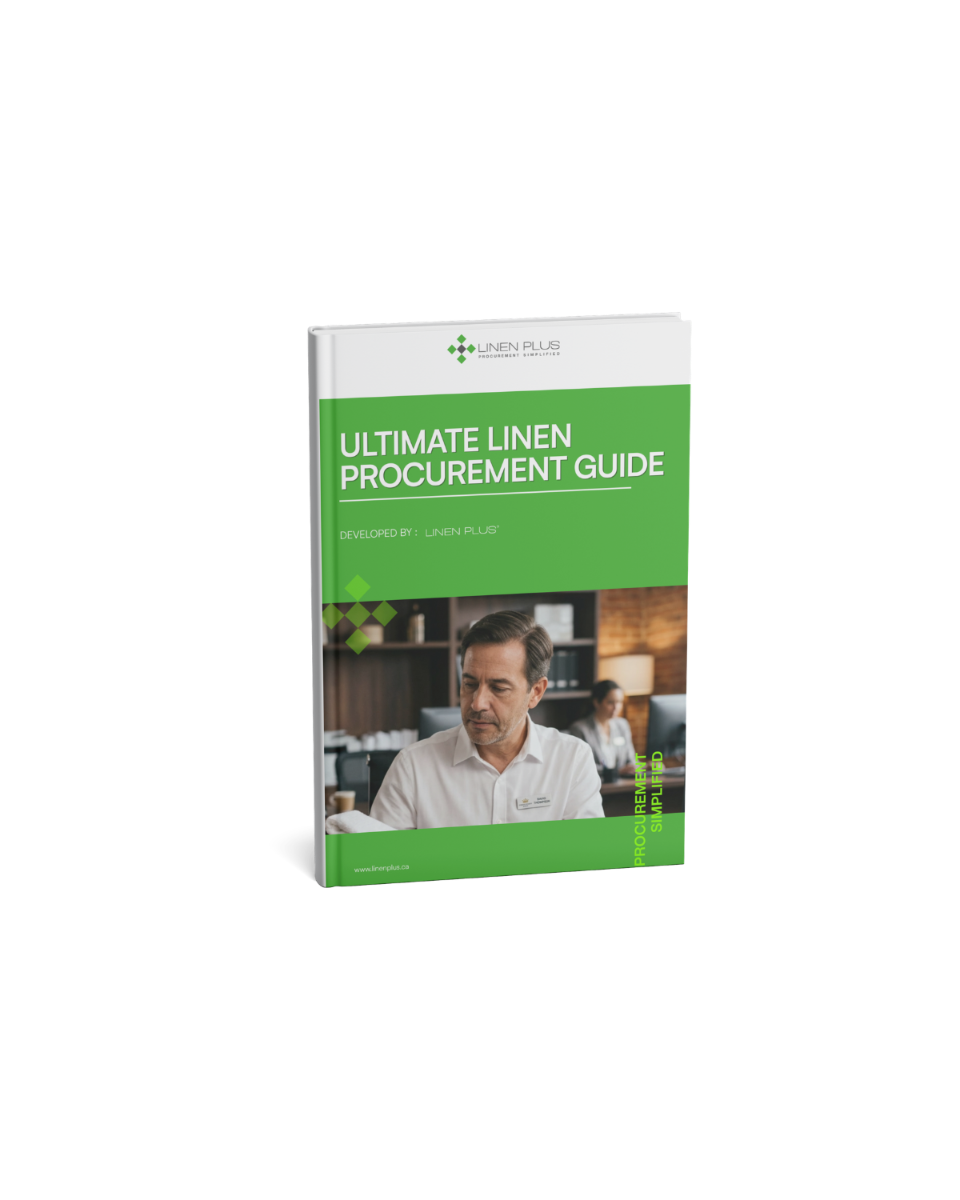
Get 'The Ultimate Linen Procurement Mastery Guide' for Free
Master your supply chain, cut unnecessary spending, and streamline commercial sourcing with our essential industry playbook.
10 Creative Ways to Utilize Linen Tea Towels
Linen tea towels are among the most versatile tools in any home or commercial kitchen. Beyond basic drying tasks, their unique structural properties suit a wide variety of practical applications:
- Spotless Glassware Polishing: Linen's long, smooth flax fibers dry fine wine glasses and crystal without leaving lint particles or micro-scratches behind.
- Artisanal Bread Proofing: Cover rising dough with a damp linen tea towel. It regulates humidity while allowing air flow, preventing dough skin from drying prematurely.
- Fresh Produce Storage: Wrap freshly washed leafy greens or herbs in a slightly damp linen towel before placing them in the crisper drawer to extend shelf life by days.
- Eco-Friendly Food Wrapping: Wrap warm sourdough loaves, muffins, or baked goods to keep them warm without trapping steam that ruins crispy crusts.
- Heat Protection & Trivets: Fold a dry linen towel into multiple layers to use as a makeshift hot pad or trivet for warm serving dishes on sensitive wooden tables.
- Chic Table Runners & Placemats: Lay patterned or solid neutral linen towels flat across dining surfaces for an effortlessly elegant, rustic table setting.
- Zero-Waste Furoshiki Gift Wrap: Wrap gourmet food items, wine bottles, or cookbooks in a beautiful linen towel as a reusable, gift-able wrapping alternative.
- Cabinet & Shelf Lining: Place flat linen tea towels inside glassware cabinets to absorb residual moisture and cushion delicate rims against hard shelves.
- Precision Hand Drying: Keep a dedicated hanging linen towel near wash stations for rapid drying that leaves skin soft without harsh fiber friction.
- Disinfecting Countertop Pads: Use flat linen cloths beneath drying racks to absorb runoff water cleanly while preventing standing water pooling.
High-Durability Commercial Essentials
Need reliable, absorbent textiles that withstand rigorous high-temperature wash schedules? Check out these high-performance options:


Laundry & Care Protocol: Maximizing Lifespan
To preserve the tensile strength, natural luster, and absorbency of linen tea towels, follow this professional laundry protocol:
- Washing Temperature: Wash linen towels in cold or lukewarm water (30°C to 40°C) on a gentle cycle. Avoid boiling temperatures unless necessary for heavy sanitization, as excessive heat can break down flax fibers over time.
- Detergent Selection: Use a mild liquid detergent free from optical brighteners or harsh chemical bleaches. Bleach strips natural flax fibers, leading to premature thinning.
- Strictly Avoid Fabric Softeners: Fabric softeners coat natural flax fibers with a hydrophobic silicone film. This drastically reduces water absorbency and causes towels to smear water rather than absorb it.
- Drying Method: Line drying outdoors or hanging indoors on drying racks is ideal. If using a tumble dryer, select a low-heat, delicate setting and remove towels while slightly damp to prevent harsh creasing.
- Ironing (Optional): Embrace linen’s natural, relaxed texture. If a crisp, formal look is required for front-of-house service, iron while the fabric is still damp using a warm steam setting.
Procurement Insights for Canadian Hospitality Buyers
For hotel operators, Airbnb hosts, and restaurant managers across Canada, kitchen textiles represent an ongoing operational expenditure. Managing linen replacement rates requires balancing initial unit costs with total cost of ownership (TCO).
While low-cost synthetic cloths might present a lower upfront price point, their rapid degradation requires replacement every 3 to 6 months under commercial laundry conditions. High-quality linen tea towels, by contrast, frequently endure 18 to 24 months of heavy daily use. By extending product lifecycles and reducing laundry drying times by up to 50%, commercial operations achieve significantly higher return on investment (ROI).
Hospitality & Commercial Linen Insights
Expand your operational knowledge with strategic buying guides, par-level calculators, and cost-reduction frameworks tailored for the Canadian market:


Frequently Asked Questions (FAQ)
Why are linen tea towels better than cotton for glassware?
Flax fibers are long, smooth, and continuous, meaning they do not break off during drying. Cotton fibers feature short staple loops that easily shed onto fine glass and lead crystal. Linen leaves glassware streak-free and completely lint-free.
How do I make stiff new linen tea towels softer?
Linen naturally softens with every wash cycle. To accelerate the process, soak new linen tea towels in cold water mixed with a cup of white vinegar for 24 hours before their first wash. Avoid synthetic fabric softeners, as they degrade absorbency.
Can linen tea towels handle hot pots and cookware?
Yes. Unlike synthetic microfiber towels that melt when exposed to high temperatures, natural flax linen has high heat resistance. When folded into multiple layers, linen tea towels make excellent, safe trivets or hot pads for handling warm dishes.
Elevate Your Canadian Kitchen with Linen Plus
Integrating high-performance linen tea towels into your household or commercial operation combines practical utility with timeless, eco-friendly style. From fast drying speeds and lint-free glassware polishing to reduced long-term replacement costs, flax linen remains the undisputed textile benchmark. Explore the full collection of wholesale kitchen linens, eco-certified towels, and commercial bath linen solutions available today at Linen Plus Canada.


